Frequent questions
What is an IV drip and how does it work?
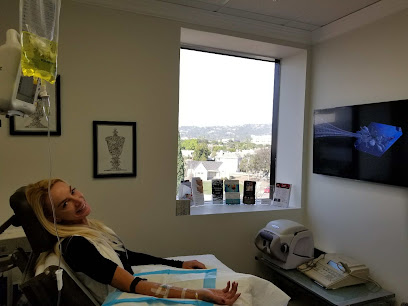
An IV drip is a method of delivering fluids, medications, and nutrients directly into the bloodstream through a small catheter. It bypasses the digestive system, allowing for faster absorption of essential vitamins and minerals. The process is safe, effective, and provides a quick boost of hydration and nutrients. During an IV drip session, a healthcare professional will carefully select the appropriate cocktail of supplements based on your needs and administer it through the IV tube. The infusion typically takes 30-60 minutes, depending on the treatment chosen, and you can relax during the process. Whether you're feeling fatigued, dehydrated, or in need of a wellness boost, an IV drip can help replenish your body's nutrients and improve your overall well-being. It is a convenient way to restore balance and re-energize your system.
Who can benefit from IV drip therapy?
IV drip therapy can benefit a wide range of individuals, including those experiencing dehydration, vitamin deficiencies, and low energy levels. Athletes looking to improve performance and recovery, as well as people battling illness or undergoing intense training, can also benefit from IV infusions. Not only can an IV drip help combat fatigue and boost immunity, but it can also assist with beauty and anti-aging treatments. Many clients seek IV therapy for its skin-enhancing properties, such as promoting collagen production and providing a radiant glow. Overall, anyone seeking a quick and efficient way to replenish their body with essential nutrients and enhance their overall wellness can benefit from the effects of IV drip therapy.
Are IV drips safe and what are the potential side effects?
IV drips are generally safe when administered by trained healthcare professionals in a controlled medical setting. The risk of complications is minimal, especially when the correct dosage and mixture of supplements are used. Potential side effects of IV drips are rare but can include minor discomfort at the insertion site, bruising, and allergic reactions. It's essential to disclose any allergies or medical conditions to your healthcare provider before undergoing an IV therapy session to minimize potential risks. Overall, IV drips are considered a safe and effective method of delivering nutrients and hydration, with most clients experiencing little to no side effects following their treatments.
How often should I get an IV drip?
The frequency of IV drip sessions depends on your individual needs, lifestyle, and goals. Some clients benefit from weekly IV therapy sessions to maintain optimal hydration and nutrient levels, while others may only require occasional boosts when feeling fatigued or rundown. Before determining a schedule for your IV drips, it's essential to consult with a healthcare provider to assess your specific requirements and health status. They can recommend the appropriate treatment plan based on factors such as your overall wellness goals, diet, exercise routine, and any existing health conditions. Remember that IV therapy is a complementary wellness solution and should not replace a balanced diet, regular exercise, or medical treatment for underlying health issues. It is a valuable tool for enhancing your well-being and rejuvenating your system when needed.
 #1