Frequent questions
What are the qualifications and training required to become a gastroenterologist?
After completing medical school, aspiring gastroenterologists must undergo a residency program in internal medicine, followed by a fellowship in gastroenterology. This specialized training typically lasts three years and focuses on the diagnosis and management of gastrointestinal diseases. During their fellowship, gastroenterologists-in-training gain hands-on experience by working with experienced physicians in clinic settings, endoscopy suites, and hospitals. They also have the opportunity to conduct research and publish findings in academic journals. Upon completion of their fellowship, individuals must pass the board certification exam administered by the American Board of Internal Medicine to become a certified gastroenterologist.
What are some common gastrointestinal issues that may require a visit to a gastroenterologist?
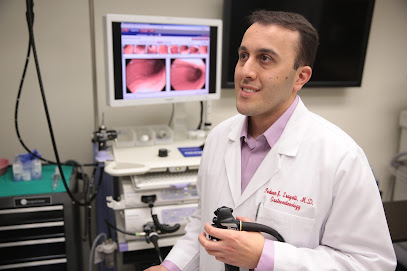
Gastroenterologists specialize in the diagnosis and treatment of disorders affecting the digestive system, which includes the esophagus, stomach, small intestine, and colon. Common conditions they treat include acid reflux, irritable bowel syndrome (IBS), Crohn's disease, ulcerative colitis, and gallstones. Patients experiencing persistent abdominal pain, bloating, diarrhea, constipation, rectal bleeding, or unexplained weight loss should seek evaluation from a gastroenterologist. These symptoms may indicate underlying gastrointestinal issues that require medical attention. Gastroenterologists also perform procedures such as endoscopy and colonoscopy to visualize the digestive tract and obtain biopsies for further evaluation and treatment.
How can I find a reputable gastroenterologist in Los Angeles?
One way to find a reputable gastroenterologist in Los Angeles is to ask for referrals from primary care physicians, family members, or friends who have had positive experiences with gastrointestinal specialists in the area. They can provide valuable insights into the quality of care and patient satisfaction. Additionally, online resources such as health insurance provider websites, hospital directories, and physician review platforms can help patients research gastroenterologists in Los Angeles. These platforms often feature patient reviews, ratings, and detailed profiles of healthcare providers. Before making an appointment, patients should verify the gastroenterologist's credentials, experience, and areas of expertise to ensure they receive comprehensive and specialized care for their gastrointestinal concerns.
What can I expect during a consultation with a gastroenterologist in Los Angeles?
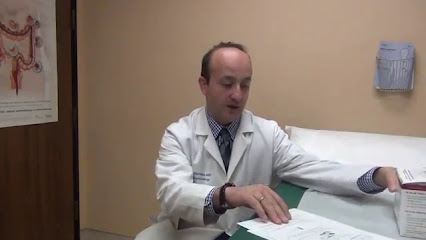
During a consultation with a gastroenterologist in Los Angeles, patients can expect a thorough review of their medical history, symptoms, and previous test results. The gastroenterologist will conduct a physical examination and may recommend additional diagnostic tests such as blood work, imaging studies, or endoscopy procedures. The gastroenterologist will discuss treatment options, including lifestyle modifications, medications, and potential surgical interventions, depending on the diagnosed gastrointestinal condition. Patients are encouraged to ask questions, seek clarification on treatment plans, and actively participate in shared decision-making regarding their healthcare. Follow-up appointments may be scheduled to monitor treatment progress, adjust medication dosages, or address any new symptoms or concerns that arise. Open communication and collaboration between patients and gastroenterologists are essential for achieving optimal gastrointestinal health outcomes.
 #1