Frequently asked questions
What is the process for seeking care at an emergency room?
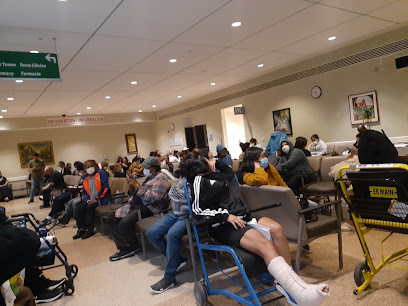
When you arrive at the emergency room, you will be immediately assessed by a triage nurse to determine the severity of your condition. Patients with life-threatening emergencies are treated first. You will then be taken to an examination room where a doctor will evaluate you and order any necessary tests or treatments. After receiving care, you may be discharged or admitted to the hospital for further treatment. It is important to bring any relevant medical information with you, such as a list of medications you are taking, allergies, and a brief medical history. Be prepared to provide detailed information about your symptoms and how they have progressed. If you are unsure whether your condition warrants a visit to the emergency room, it is always better to err on the side of caution and seek medical attention. Delaying treatment for a serious condition can lead to complications or worsening symptoms.
What types of conditions are treated in the emergency room?
The emergency room is equipped to handle a wide range of medical conditions, from minor injuries to life-threatening emergencies. Some common reasons for visiting the emergency room include severe chest pain, difficulty breathing, severe allergic reactions, and trauma such as car accidents or falls. Other conditions that may require emergency room care include strokes, heart attacks, and severe infections. In addition, the emergency room can provide care for patients experiencing mental health crises, such as suicidal thoughts or severe depression. If you are unsure whether your condition requires emergency room care, it is best to call ahead and speak with a medical professional for guidance.
What should I expect during my visit to the emergency room?
Upon arrival at the emergency room, you will be asked to provide your name, date of birth, and a brief description of your symptoms. You will then be assessed by a triage nurse to determine the urgency of your condition. Patients with life-threatening emergencies will be treated first. Once you have been taken to an examination room, a doctor will evaluate your condition and order any necessary tests or treatments. You may undergo blood tests, imaging studies, or receive medications to manage your symptoms. The length of your stay in the emergency room will vary depending on the severity of your condition and the availability of treatment. After receiving care, you may be discharged with instructions for follow-up care or admitted to the hospital for further treatment. The staff at the emergency room will work to ensure that you are comfortable and informed throughout your visit.
Are there alternatives to visiting the emergency room?
If you have a non-life-threatening medical condition, there are alternative options to consider before visiting the emergency room. Urgent care centers are a good choice for minor injuries, illnesses, and infections that require prompt attention but are not emergencies. Primary care providers can also provide care for non-urgent medical issues, such as routine check-ups, vaccinations, and chronic disease management. If you are unsure whether your condition requires emergency room care, consider calling your doctor or visiting an urgent care center for guidance. However, if you are experiencing severe symptoms such as chest pain, difficulty breathing, or sudden weakness, it is best to seek care at the emergency room without delay. Your health and safety should always be the top priority.
 #1