Frequent questions
What qualifications should I look for in a blepharoplasty surgeon?
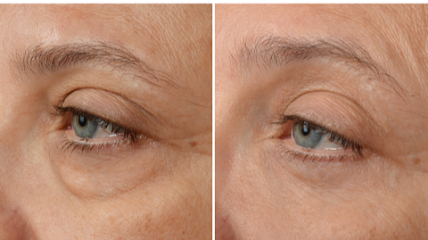
When choosing a blepharoplasty surgeon, it is important to look for someone who is board-certified in plastic surgery. This ensures that they have the necessary training and experience to perform cosmetic procedures safely and effectively. Additionally, you may want to consider their reputation, experience with blepharoplasty specifically, and before-and-after photos of their previous patients. It is also recommended to schedule a consultation to meet the surgeon in person, ask questions about their qualifications and approach to surgery, and get a feel for their bedside manner. Remember that feeling comfortable and confident with your surgeon is crucial for a successful outcome. Ultimately, choosing a qualified and experienced blepharoplasty surgeon will give you peace of mind and ensure that you are in good hands throughout your journey to rejuvenated eyes.
What is the typical recovery process like after blepharoplasty surgery?
After undergoing blepharoplasty surgery, patients can expect some swelling, bruising, and discomfort around the eyes. This is normal and should subside within the first week or two following the procedure. Your surgeon will provide post-operative instructions, including how to care for your incisions, manage any pain, and when to schedule follow-up appointments. It is important to give yourself time to rest and heal during the initial stages of recovery. Avoid strenuous activities, excessive bending or lifting, and exposure to sunlight to promote optimal healing. Following your surgeon's recommendations and attending all scheduled appointments will help ensure a smooth recovery process and beautiful results. If you have any concerns or questions about your recovery after blepharoplasty surgery, do not hesitate to contact your surgeon's office for guidance and support.
What are the potential risks and complications associated with blepharoplasty surgery?
Like any surgical procedure, blepharoplasty surgery carries certain risks and potential complications. These can include infection, scarring, asymmetry, excessive bleeding, and changes in vision. However, the likelihood of experiencing these risks is typically low when the procedure is performed by a skilled and experienced surgeon. To mitigate the risks of blepharoplasty surgery, it is important to follow all pre- and post-operative instructions provided by your surgeon. This may include avoiding certain medications, refraining from smoking, and properly caring for your incisions to reduce the risk of infection. If you have any concerns about the risks and complications associated with blepharoplasty surgery, discuss them with your surgeon during your consultation. They will be able to provide you with detailed information and address any questions or fears you may have.
How long do the results of blepharoplasty surgery last?
The results of blepharoplasty surgery are long-lasting and can be permanent for many patients. The procedure effectively removes excess skin, fat, and muscle tissue around the eyes, creating a more youthful and refreshed appearance that can last for years to come. However, it is important to understand that the natural aging process will continue after blepharoplasty surgery, and factors such as sun exposure, smoking, and genetics can impact the longevity of your results. To maintain the best results possible, it is recommended to adopt a healthy lifestyle, use sunscreen, and follow any additional recommendations provided by your surgeon. If you have specific concerns about the longevity of your results or wish to explore additional cosmetic procedures in the future, discuss your options with your blepharoplasty surgeon during your consultation.
 #1